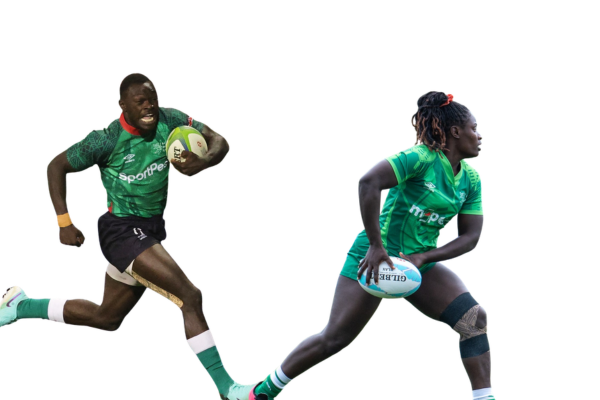
Shujaa were business-like in São Paulo, but more than anything, they showed grit.
They went into the tournament knowing exactly what was on the line and played with that awareness throughout. It wasn’t about flair or blowing teams away, it was about staying in the contest, doing the basics well, and making sure they came out on the right side of results.
And when it got tight, they didn’t flinch.
That’s what stood out. This group looks like it has learned how to suffer a bit, how to stay patient when games aren’t going their way, and how to keep pushing without losing shape. In past campaigns, those are the moments where things would unravel. This time, they held their nerve.
You can sense the bigger motivation behind it all. There’s a real ambition in this side to get back to the SVNS top tier, and it’s starting to reflect in their approach. They’re not chasing moments anymore, they’re building towards something.
That said, they’re not the finished product. There are still patches where the structure loosens and execution dips. But the key difference now is those moments aren’t defining their tournaments. They’re managing them better and staying alive in games.
Finishing second wasn’t about being the most dominant team out there. It was about being consistent, staying tough, and understanding what needed to be done.
Now they’ve given themselves a proper shot at the World Championship rounds. The challenge from here is simple, raise the level again and clean up the details, because the next step won’t be as forgiving.
For the Lionesses, the story is a lot more complicated.
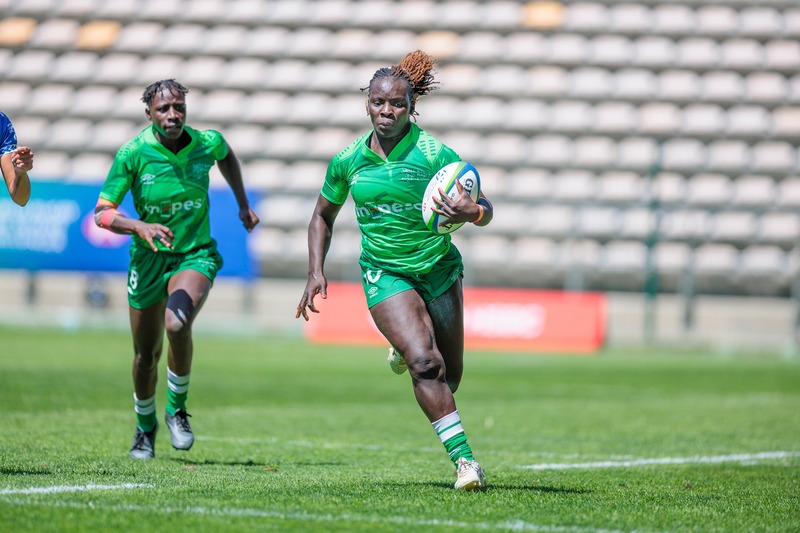
There’s no denying they looked better in São Paulo. There was more intent in how they played, more cohesion, and for the first time in a while, you could see a bit of belief in the group. It felt like things were finally starting to come together.
But that only throws the rest of their campaign into sharper focus.
For long periods this season, they’ve looked like a side searching for direction. There have been questions around the coaching setup, particularly around clarity and how the team is being guided through games. At times, it hasn’t been clear what the plan is, and when things start to drift, there hasn’t always been a visible way back.
Even within matches, they’ve struggled to maintain control. There are stretches where they look settled and in charge, and then it slips. The game gets away from them, and they’re left trying to recover rather than dictating terms.
Leadership has also been an issue. In those key moments, when you need someone to settle things and bring a bit of calm, they’ve often looked uncertain. Not for lack of effort, but for lack of a clear voice to pull everything together.
All of that contributed to a campaign where, before São Paulo, they often looked a bit lost.
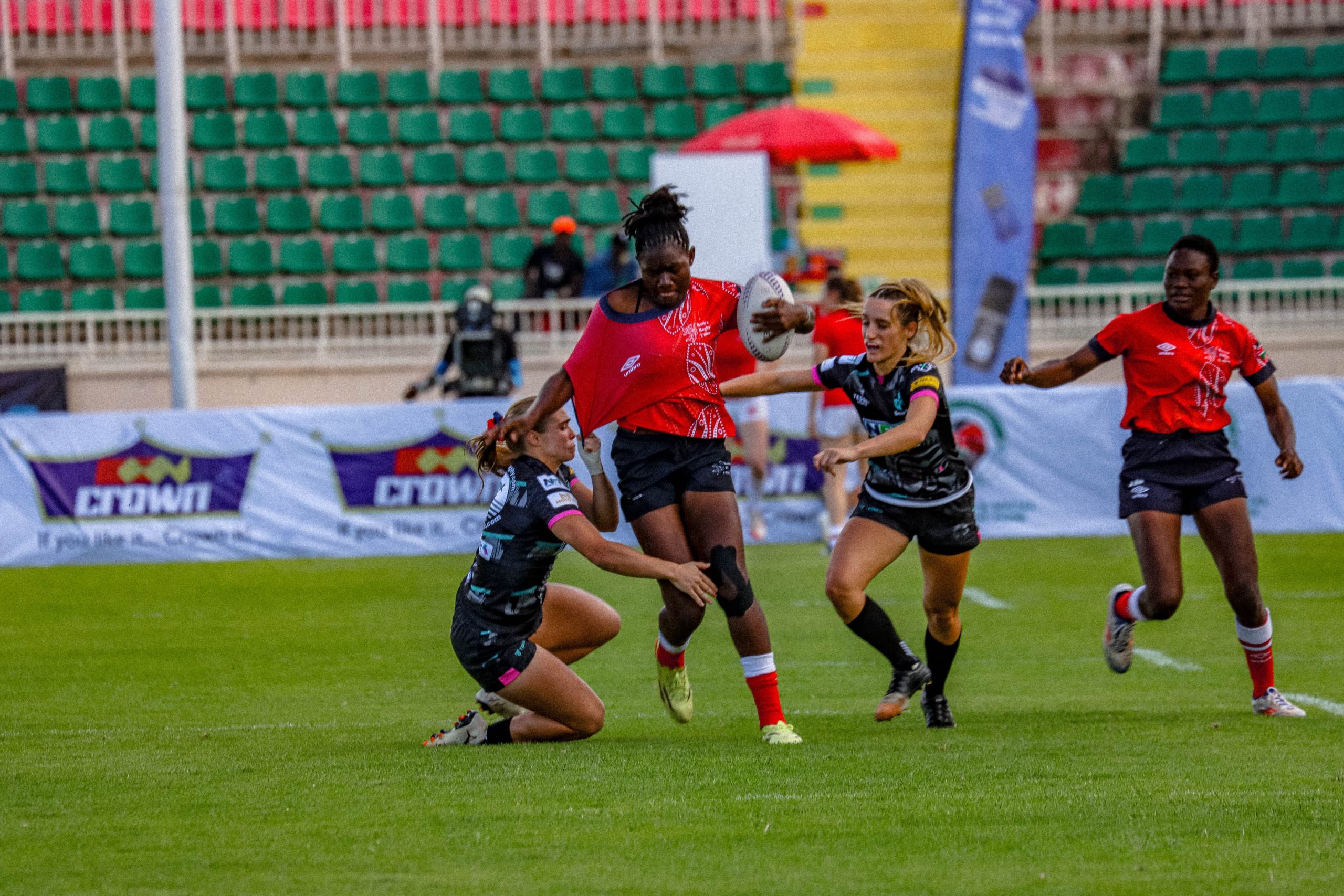
So yes, the improvement in Brazil was real. But when it came down to the decisive game, the same familiar problems resurfaced. A few poor decisions, a few defensive gaps, and the opportunity slipped.
That’s why it feels like too little, too late.
Because the ability is there. You can see it in flashes, in moments where everything clicks. But until they address the bigger picture how they’re structured, how they manage games, and how they lead themselves on the field it’s going to be hard to turn those flashes into something consistent.
 English